

White clothing has long been associated with elegance, simplicity, and freshness. However, as timeless and versatile as a white shirt or dress may be, it’s also the most unforgiving when it comes to stains. Whether it’s a splash of red wine, a smudge of makeup, or the dreaded yellowing under the arms, these marks are hard to ignore — making removing stains from white clothes an essential skill for anyone who wants to maintain a crisp, clean wardrobe.
Fortunately, with the right knowledge and methods, most stains can be removed without compromising the fabric. This in-depth guide will walk you through everything you need to know about how to remove stains from white clothes — from common culprits to powerful homemade solutions.
Why White Clothes Are Prone to Staining
White fabrics lack the pigment that might otherwise conceal minor spills or discoloration. As a result, even the lightest stains become highly visible. Moreover, white clothes tend to show signs of aging such as graying or yellowing more prominently, especially with repeated washing and exposure to heat.
Understanding why stains set in so quickly on white clothing helps emphasize the importance of fast action and proper treatment.
General Rules Before You Begin
Before diving into specific stain types, there are some universal guidelines to keep in mind when treating stains on white garments:
- Act Quickly: The longer a stain sits, the more difficult it becomes to remove.
- Blot, Don’t Rub: Always blot stains gently with a clean cloth or paper towel to prevent the stain from spreading or embedding deeper.
- Use Cold Water First: Hot water can cause protein-based stains (like blood or sweat) to set permanently.
- Test Before Treating: Always test any cleaning solution on a small, hidden part of the fabric first.
How to Remove Common Stains from White Clothes
Each type of stain requires a specific approach. Below, we break down how to handle the most common ones.
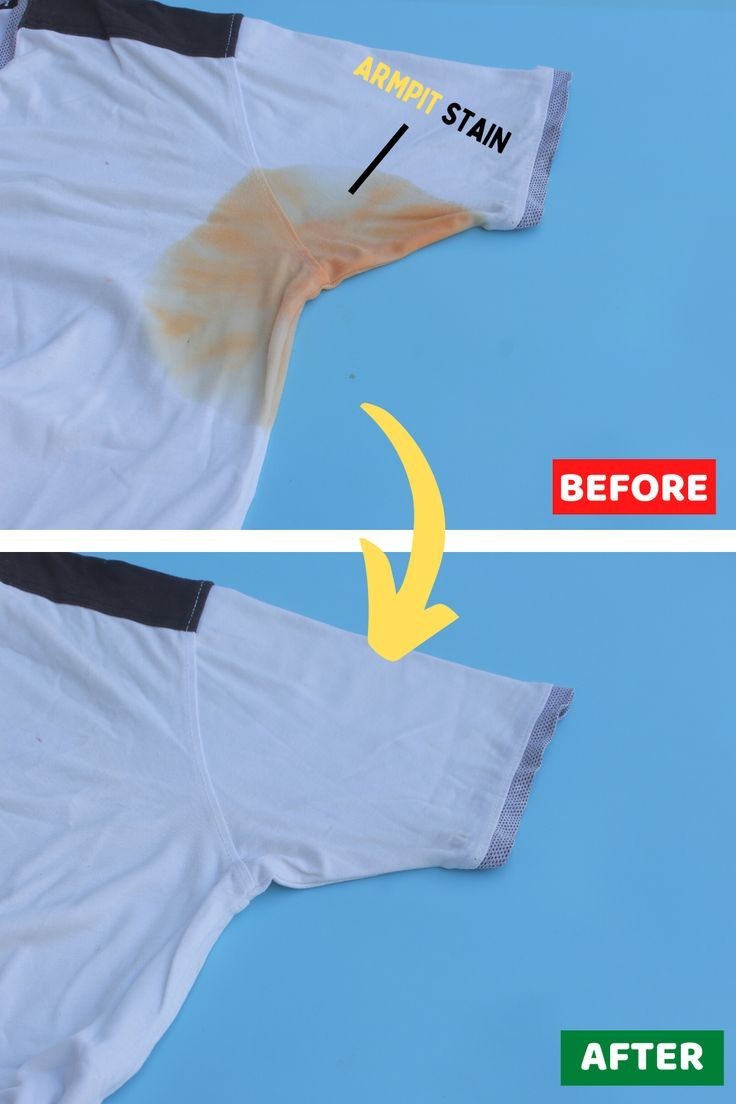
Sweat Stains (Yellow Underarm Marks)
These unsightly yellow patches are often caused by a reaction between aluminum in deodorant and the salt in sweat.
Solution:
- Ingredients:
- 2 tablespoons of baking soda
- 1 tablespoon of hydrogen peroxide
- 1 tablespoon of dish soap
Steps:
- Mix the three ingredients into a paste.
- Apply it directly to the stained area.
- Let it sit for 30 minutes.
- Scrub gently with a soft toothbrush.
- Rinse with cold water and launder as usual.
Pro Tip: Avoid chlorine bleach — it can react with sweat and worsen the yellowing over time.
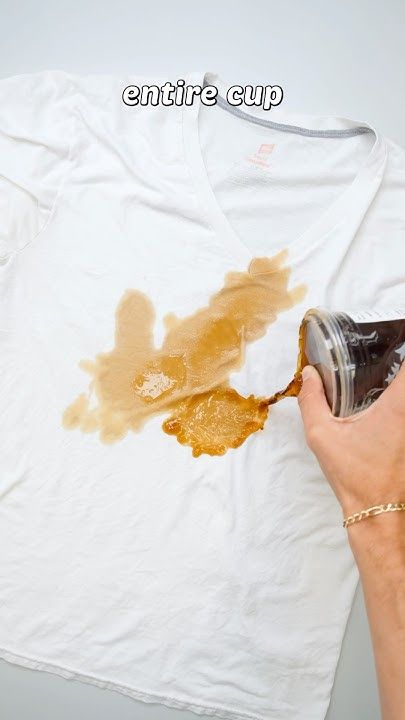
Coffee and Tea Stains
A quick morning sip can turn into a wardrobe mishap. Fortunately, these stains can be reversed easily if treated quickly.
Solution:
- Blot the area with a clean cloth.
- Soak the garment in a 1:1 solution of white vinegar and cold water for 30 minutes.
- Gently scrub the stain with a soft brush.
- Rinse and wash with detergent and oxygen bleach.
Alternative Method:
Use baking soda and water paste for a gentler, scrub-free option.

Red Wine Stains
Red wine is infamous for staining — and white clothes are its favorite victims.
Solution:
- Blot the wine immediately with a clean towel.
- Sprinkle salt generously over the stain to absorb moisture.
- Let it sit for at least 5–10 minutes.
- Rinse with cold water.
- Soak the garment in a mix of hydrogen peroxide and dish soap (1:1 ratio).
- Wash with an oxygen-based bleach.
Pro Tip: Never use hot water or bleach directly on a red wine stain — it may set the color deeper.
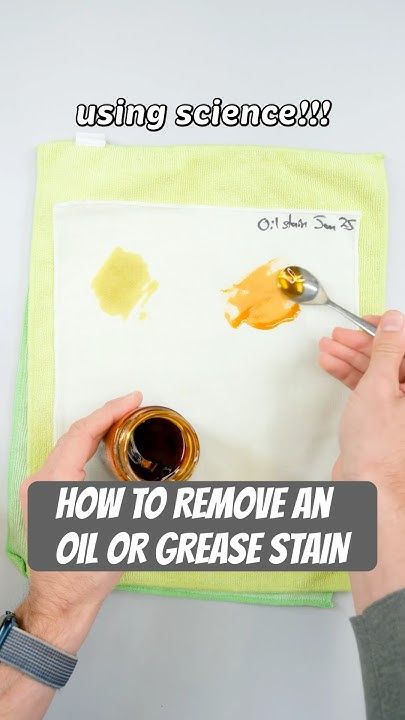
Oil and Grease Stains
Cooking, eating, or even applying lotion can result in greasy marks that are hard to detect at first but reveal themselves after washing.
Solution:
- Blot with a paper towel.
- Sprinkle baking soda or cornstarch on the stain and let it absorb for 15–30 minutes.
- Brush off the powder.
- Apply dishwashing liquid directly to the spot.
- Let sit for 15 minutes.
- Rinse and wash as usual in warm water.
Note: Dishwashing soap is designed to cut through grease — it’s your best friend here.
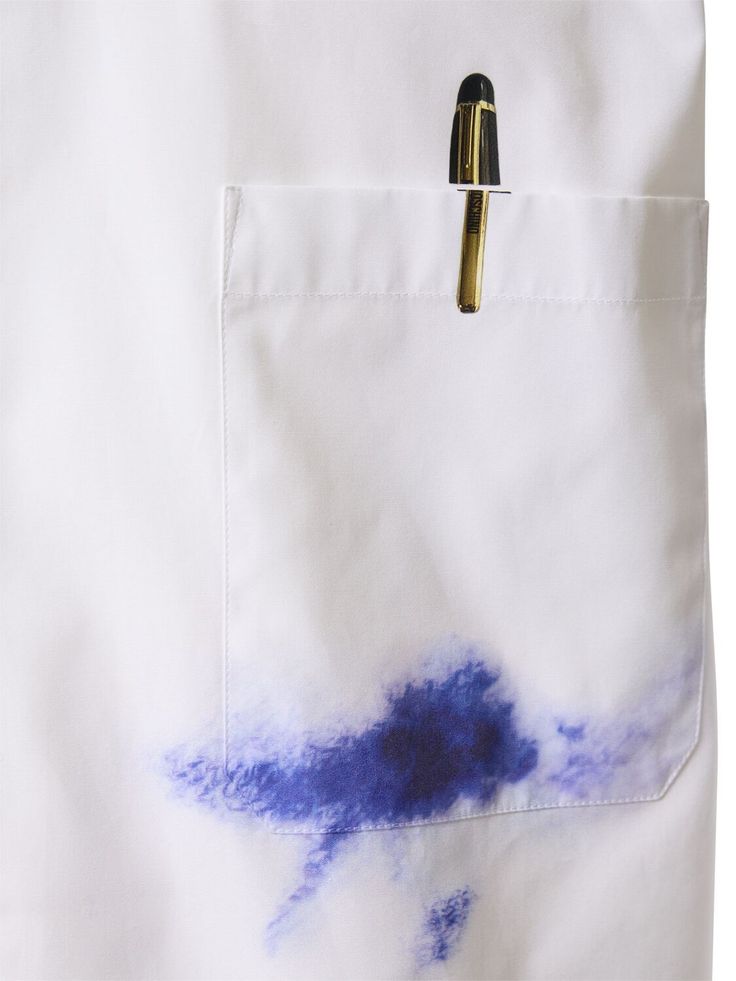
Ink Stains
Pen leaks or accidental swipes can lead to difficult ink stains.
Solution:
- Dab the stain with rubbing alcohol or hand sanitizer using a cotton ball.
- Blot from the outside in to prevent spreading.
- Rinse with cold water.
- Repeat until the stain fades, then launder normally.
Warning: Don’t rub harshly — it may spread the ink and damage the fibers.

Blood Stains
Blood is a protein-based stain and must be treated with extra care.
Solution:
- Rinse with cold water immediately.
- Apply hydrogen peroxide directly to the stain.
- Let sit for 10–15 minutes.
- Blot and rinse thoroughly.
- Wash using an enzyme-based detergent.
Tip: Never use hot water; it cooks the protein into the fabric and sets the stain.
Natural Whitening Alternatives
If your white clothes have started to look dull or grey over time, these natural remedies can help restore brightness:
- Lemon Juice & Sunlight: Soak the garment in a bucket of water with half a cup of lemon juice. Then dry under direct sunlight for natural bleaching.
- Baking Soda Soak: Add half a cup of baking soda to a basin of warm water. Soak for 1–2 hours before washing.
- White Vinegar: Pour 1 cup of distilled white vinegar into your rinse cycle to brighten clothes and remove residual detergent buildup.
Avoiding Mistakes That Set Stains Permanently
- Using the Dryer Too Soon: Never dry a garment before you’re sure the stain is gone. Heat can lock the stain in.
- Bleaching Everything: Chlorine bleach can cause yellowing, especially with sweat or synthetic fabrics.
- Skipping the Test Patch: Even common household cleaners can discolor or damage certain fabrics.
Best Practices for Washing White Clothes
- Separate Whites from Colors: Always wash whites separately to prevent color bleeding.
- Use Oxygen Bleach: It’s safe, effective, and less harsh than chlorine bleach.
- Don’t Overload the Washer: Clothes need space to move and rinse thoroughly.
- Dry in the Sun: Whenever possible, line-dry your whites outdoors. Sunlight naturally whitens fabrics.
When to Call a Professional
Despite your best efforts, some stains — especially from dyes, rust, or old discoloration — may resist home treatment. In these cases, it’s worth taking the item to a professional cleaner. They have access to specialized solvents and know how to treat delicate fabrics without damage.
Conclusion
Stains on white clothes don’t have to be a death sentence for your favorite outfits. By understanding the nature of the stain and responding with the correct treatment, you can restore most white garments to their former brilliance. Whether it’s a DIY paste, a natural soak, or simply the power of timing, stain removal is both an art and a science — and now, you’re equipped to master it.
Keep this guide on hand and don’t let the fear of spills stop you from wearing white with confidence.