

Denim is more than just a fabric—it’s a symbol of rebellion, comfort, and timeless style. Over the decades, certain denim brands have risen above the rest, defining entire generations of fashion. From sustainable innovators to heritage-heavy icons, here’s a journey through the Top 10 Best Denim Brands in the World, told through their unique stories.
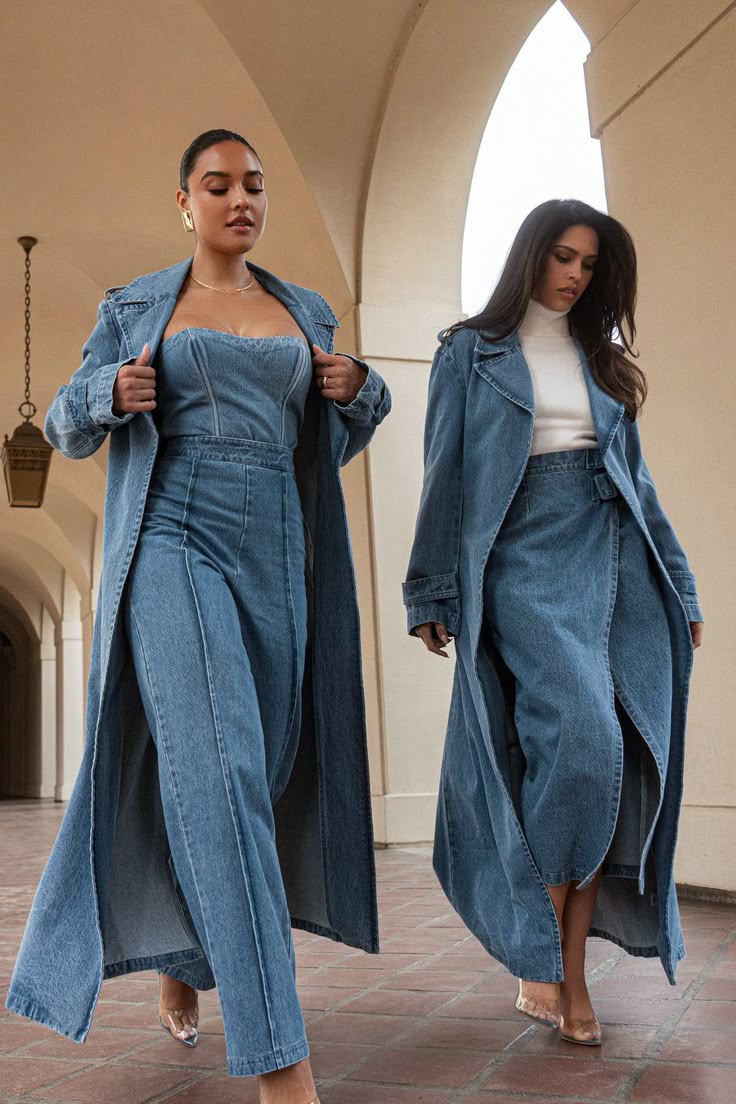
Levi’s – The Origin Story of a Revolution
In 1853, amidst the dust and dreams of the California Gold Rush, a Bavarian immigrant named Levi Strauss unknowingly laid the foundation for an empire—not of gold, but of indigo. His riveted denim pants, originally designed for miners whose clothes gave way to the harshness of their labor, soon proved to be more enduring than the gold they sought. Built to last, these pants embodied the grit of the American frontier and whispered the beginning of something greater: a cultural shift sewn in denim.
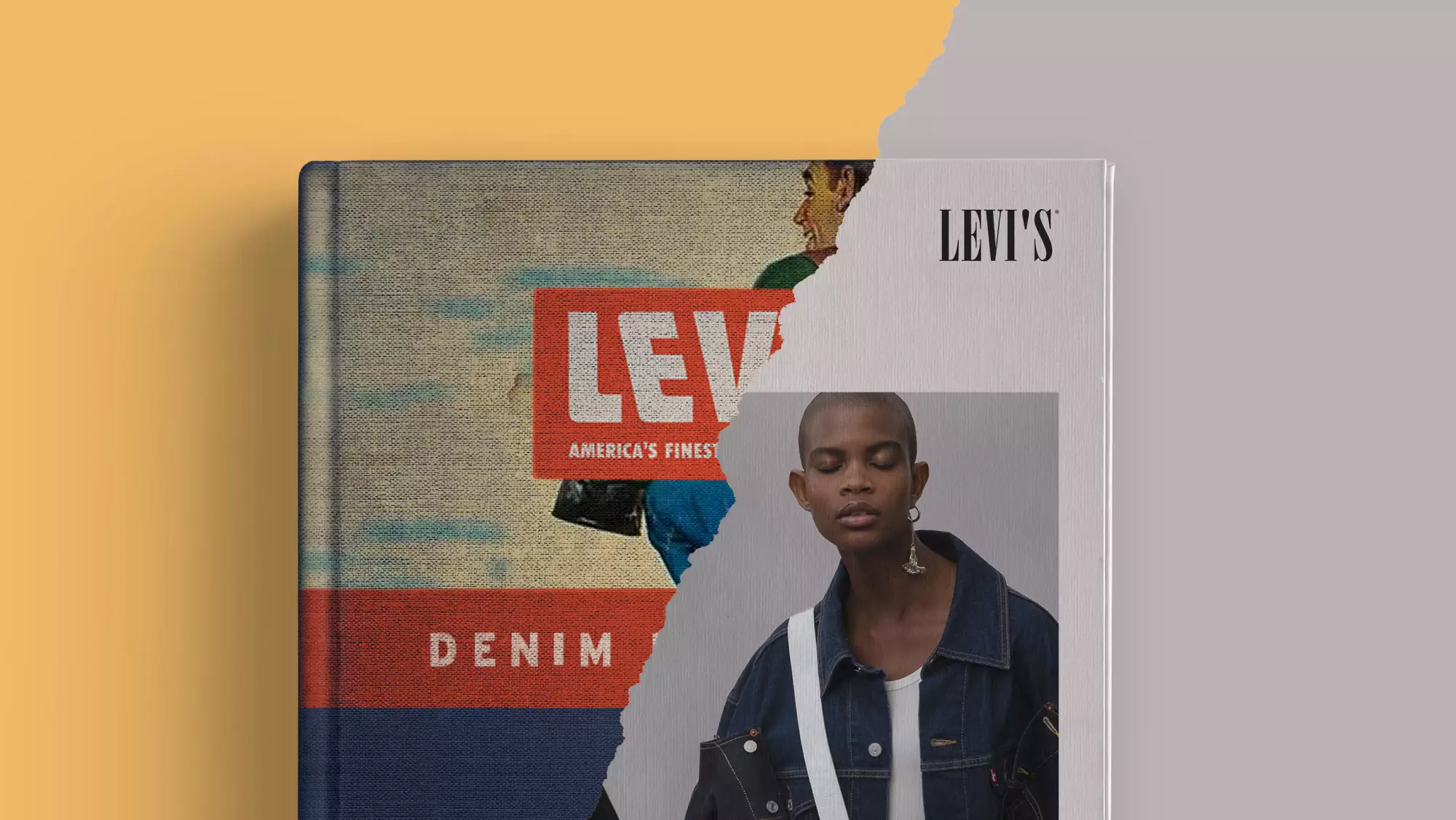
By the early 20th century, Levi’s jeans had outgrown the mines and found a new life on cattle ranches, Hollywood backlots, and eventually, in the wardrobes of icons. The 501s—originally a product code—became a generational badge of rebellion. Marlon Brando, James Dean, Steve McQueen: each wore their Levi’s not just as pants, but as declarations. Through the ‘60s counterculture, ‘90s grunge, and even the minimalist 2010s, Levi’s shape-shifted while remaining unmistakably itself.
The power of Levi’s lies not in its ability to follow trends but in its uncanny talent for embodying the spirit of change. It’s been worn tucked into cowboy boots and ripped at punk concerts. It has marched in protests and danced in music videos. The Levi’s legacy isn’t just about denim; it’s about movement—social, cultural, and personal. Today, a pair of 501s still speaks louder than words. It carries the echoes of those who wore it before and the promise of those who will wear it next.
Diesel – Denim with a Dangerous Edge
Diesel didn’t enter the fashion world quietly—it crashed through the gates with a snarl, a swagger, and a smirk. Founded in 1978 by Renzo Rosso in the Veneto region of Italy, the brand was never meant to play it safe. While other denim labels leaned on tradition, Diesel ran full speed into the unknown. Its very name—”Diesel”—suggested something industrial, raw, and full of energy during the oil crisis era. And that’s exactly what it brought to denim.
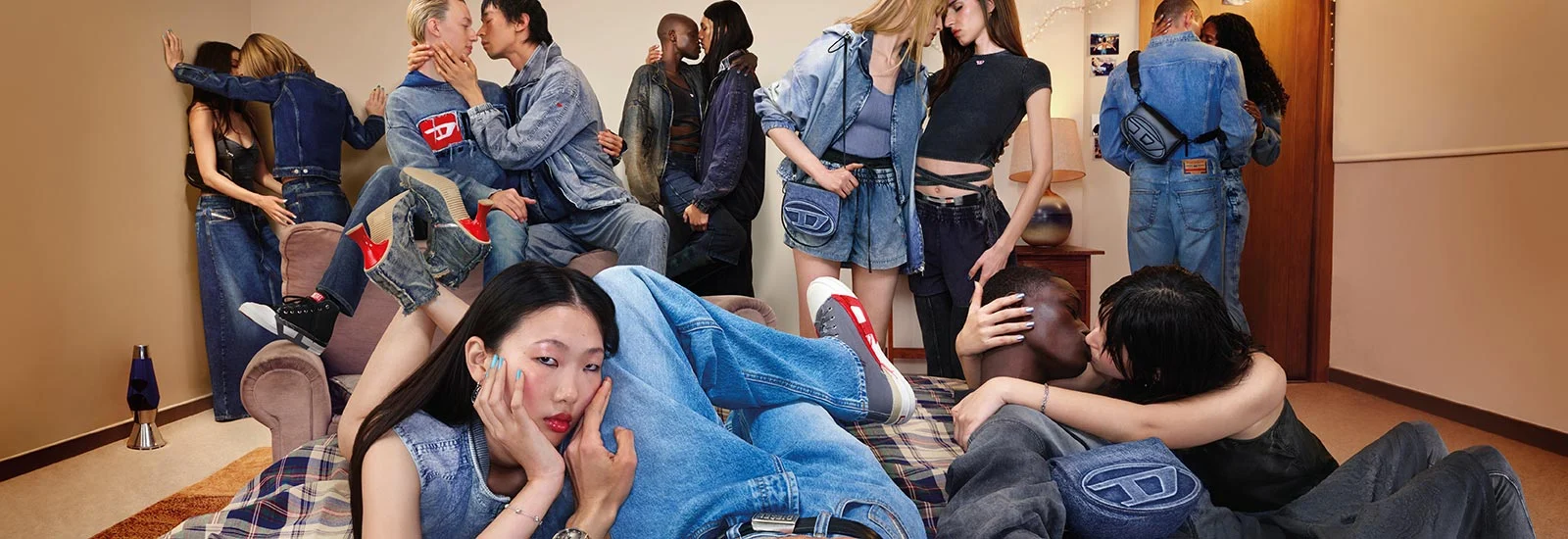
By the late ’90s and early 2000s, Diesel wasn’t just selling jeans—it was selling an attitude. Their advertising campaigns, irreverent and often controversial, felt like social commentary disguised as fashion. Their jeans were slashed, stonewashed, and provocatively cut—not to mimic wear, but to glorify it. They celebrated imperfection: a rip, a fade, a fray—all signs of life lived loudly.
Diesel’s genius wasn’t only in shock value—it was in storytelling. Every collection was a mini dystopia or fantasy, blending streetwear grit with European tailoring. Their iconic JoggJeans fused the comfort of sweatpants with the structure of denim—blurring the line between rebellion and refinement. In many ways, Diesel dressed the urban cowboy of the future: bold, a bit messy, unapologetically alive.
Rosso’s vision was always global, always subversive. He didn’t want his brand to be part of the fashion system; he wanted to create a new system altogether—one where denim could be a weapon of self-expression, not just a wardrobe staple. That ethos continues today. To wear Diesel is to make a statement: not just that you’re dressed, but that you’re defiant, dynamic, and just a little bit dangerous.
Nudie Jeans – The Conscious Rebels
When Nudie Jeans emerged from the chilly design capital of Gothenburg in 2001, it wasn’t interested in riding the fashion wave—it wanted to change the tide entirely. Founded by Maria Erixon Levin, Nudie introduced a new kind of cool: one that didn’t chase hype but leaned into honesty, responsibility, and quiet rebellion. Their ethos was clear from the start—jeans shouldn’t just look good; they should do good.
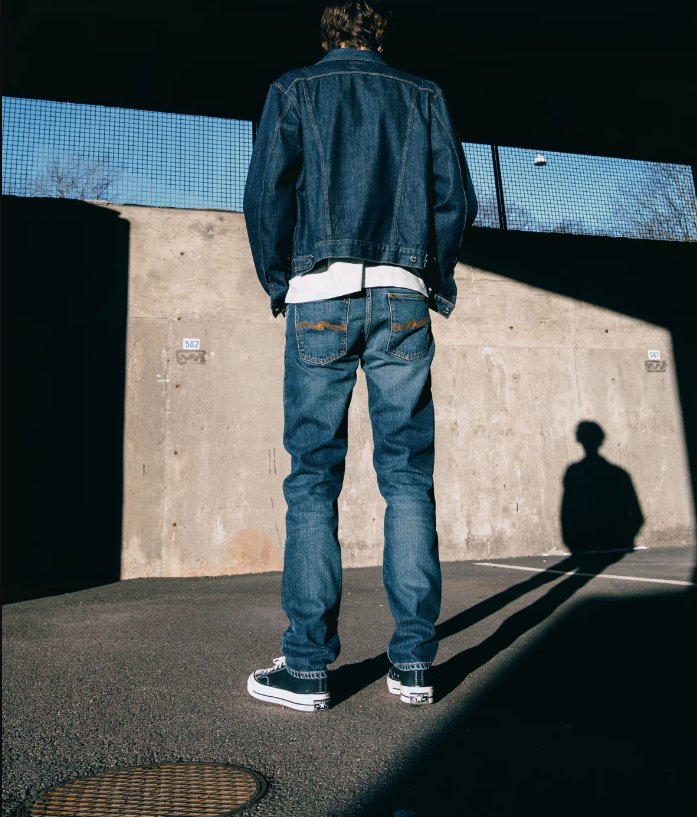
While the world of fashion was still obsessed with fast cycles and glossy branding, Nudie whispered a different promise: transparency. From organic cotton fields to ethical factories, from fair labor conditions to free lifetime repairs, Nudie peeled back the curtain. Their garments weren’t disposable—they were meant to age, evolve, and reflect your life. Every crease in their raw denim became a journal entry, every fade a fingerprint. A pair of Nudies, worn and loved, could tell more stories than any trend ever could.
But don’t mistake principle for plainness. Nudie’s designs were sleek, sharply Scandinavian, and undeniably stylish. The silhouettes ranged from slim to relaxed, always with an appreciation for function and form. Their Dry Selvage line became a cult favorite—jeans that arrived stiff and pure, ready to shape themselves to their wearer like a second skin over years.
In a world craving authenticity and purpose, Nudie Jeans offered a rare combination: style that feels and a conscience that lasts. They aren’t just making better denim—they’re redefining what it means to wear your values.
A.P.C. – The Parisian Purist
In a Paris gripped by excess, noise, and the growing frenzy of logo-driven fashion in the late 1980s, Jean Touitou chose silence. Not out of rebellion, but out of refinement. When he founded A.P.C. in 1987, he didn’t shout his vision—he whispered it through clean lines, raw fabrics, and a philosophy that less wasn’t just more, it was everything.

At a time when brands were exploding with embellishments, Touitou stripped fashion back to its essence. The A.P.C. jean—stiff, dark, and devoid of logos—was a statement of restraint in a world obsessed with flash. To own a pair wasn’t just to wear denim, it was to signal taste. Their raw selvedge denim became a rite of passage: hard at first, even uncomfortable, but with each wear, a transformation. A story written into the fades, creases, and character of every step.
A.P.C. didn’t exist to dominate trends—it existed to outlast them. Its minimalism wasn’t sterile; it was deeply human. The clothes didn’t try to define you—they gave you space to define yourself. Collaborations with Kanye West, Carhartt, and even Goop weren’t stunts; they were unexpected dialogues that tested the boundaries of quiet style.
To wear A.P.C. is to embrace the long game. It’s fashion for those who don’t need to announce themselves, because their presence already speaks volumes. In a world that changes by the scroll, A.P.C. offers a still point: timeless, tailored, and always intentional.
Rag & Bone – Where NYC Cool Meets Craft
Rag & Bone began not in a fashion studio, but with a simple question: why was it so hard to find a pair of jeans that felt right? In the early 2000s, British designer Marcus Wainwright, disillusioned by mass-market denim, packed his bags and went to Kentucky—not for showrooms or stylists, but to study how jeans used to be made. There, among traditional mills and American denim craftsmen, he learned the language of authentic construction, from selvedge seams to riveted strength.
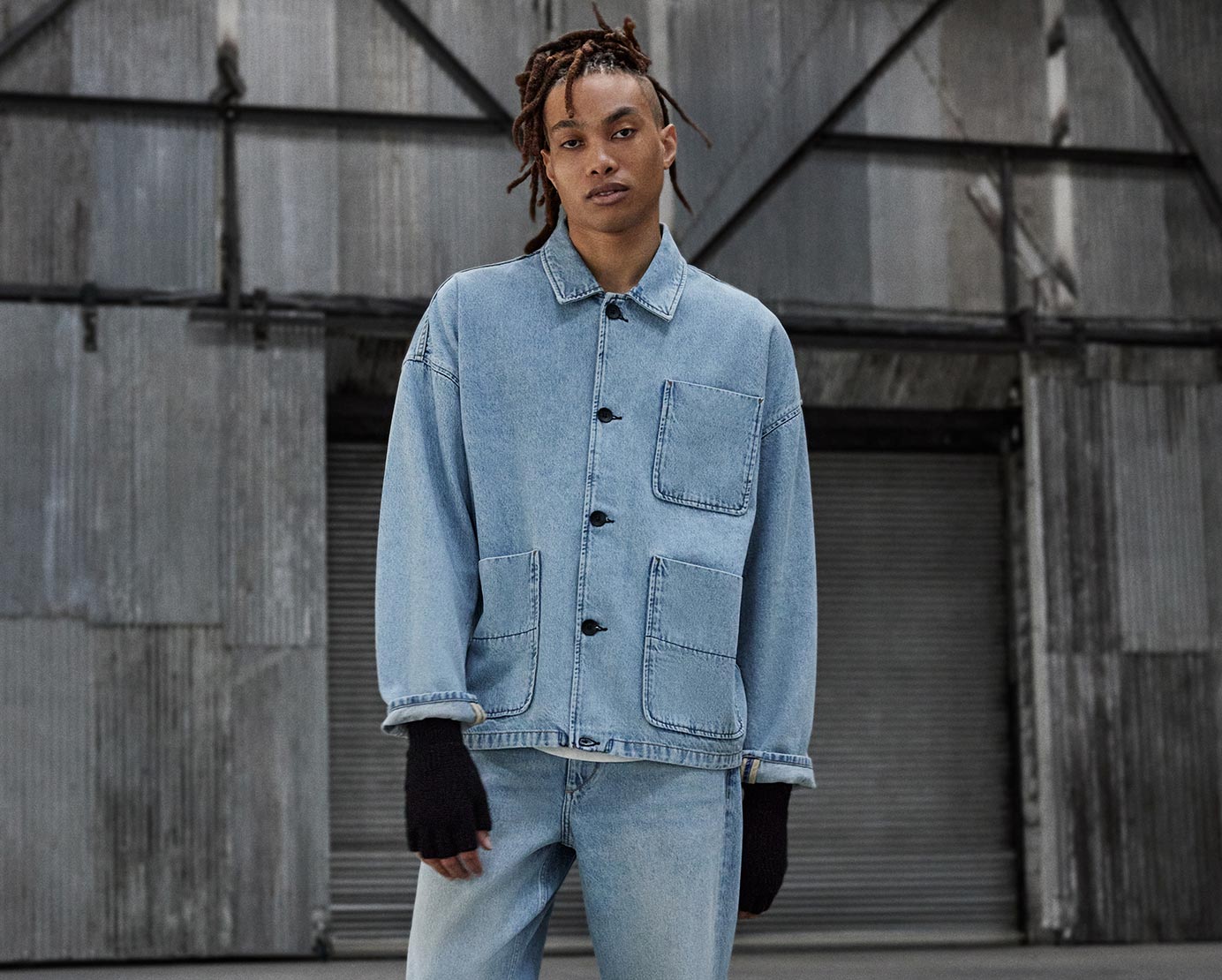
When Rag & Bone officially launched in New York City in 2002, it wasn’t trying to look vintage or artisanal. It was more interested in creating clothes that functioned with urban life: tailored but relaxed, stylish but never stiff. Their jeans had edge—but a quiet, New York kind of edge. Worn by creatives, downtown kids, and those who preferred subway grit over red carpet glam, Rag & Bone quickly earned a place in closets that valued both substance and form.
Their denim didn’t demand attention—it earned it. Made in the USA, their jeans balanced structure with ease, like the Fit 2 skinnies that hugged just enough or the Standard Issue that could be dressed up without feeling overdressed. The appeal wasn’t just the fit—it was the story behind it. Each pair carried the weight of intentional design, craftsmanship, and a brand philosophy that prioritized integrity over impulse.
In a city where everything moves fast, Rag & Bone slowed down just enough to do things right. And in doing so, they proved that when cool meets craft, denim becomes more than fashion—it becomes part of the rhythm of everyday life.
Acne Studios – The Artistic Outsider
In the mid-1990s, when Stockholm was just beginning to assert itself as a global fashion capital, a multidisciplinary creative collective called Acne (Ambition to Create Novel Expressions) quietly emerged. Among its founders was Jonny Johansson, a designer whose fascination with form, photography, and subculture would come to define one of the most distinct denim aesthetics of the 21st century.
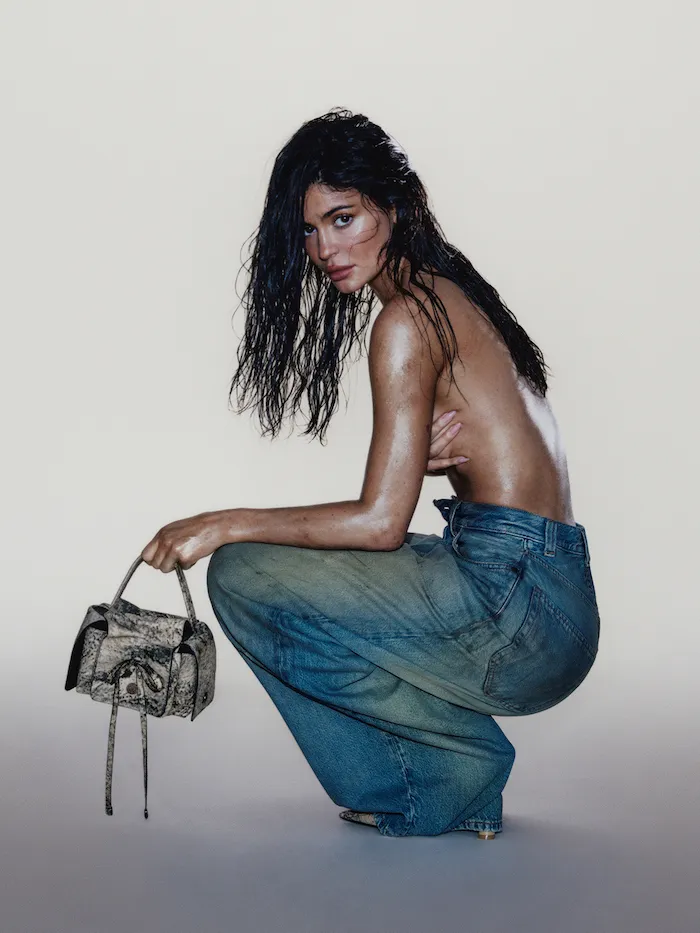
Acne didn’t start as a fashion brand. In fact, their first major move into apparel was delightfully punk: they handed out 100 pairs of raw denim jeans with red stitching to friends and creatives. These jeans, minimalist in cut but rich in detail, created instant buzz. What was meant as an artistic project evolved into a fashion label—Acne Jeans, which later became Acne Studios.
But Acne never lost its outsider status—and it wore that label proudly. It didn’t chase trends; it challenged them. Its denim was deliberately clean, with fits that balanced Scandinavian restraint and urban edge. Acne jeans became a staple for artists, architects, fashion editors, and skateboarders alike—those who didn’t want to be defined, but instead wanted a blank slate with attitude.
Acne Studios made denim cerebral. Their collections blurred the line between ready-to-wear and gallery piece. Their campaigns felt like stills from an arthouse film. And their jeans—whether the 1996 Straight or custom-dyed limited editions—always felt like pieces you discovered, not products sold to you.
To wear Acne Studios is to participate in a creative rebellion, to choose style that whispers rather than shouts. It’s for those who see fashion not just as consumption, but as a conversation.
Frame – California Ease, London Edge
Frame was born not from a fashion conglomerate, but from a feeling—a desire to blend two worlds that seemed, on the surface, at odds. Jens Grede and Erik Torstensson, two Londoners steeped in the sharp cuts and polished confidence of European tailoring, landed in Los Angeles and saw something magical in its effortless ease. The result, in 2012, was Frame: a brand that whispered sophistication but lounged like a local.
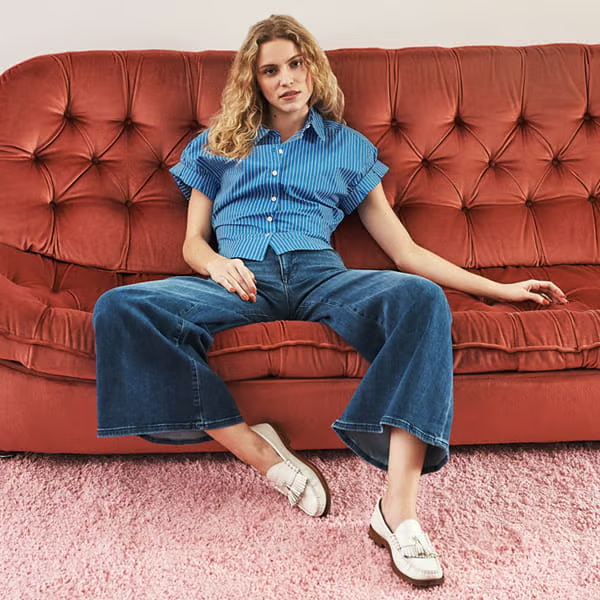
From the beginning, Frame jeans weren’t about making a splash. They were about making you feel seen. The denim hugged in all the right places, moved with your body, and felt like something you’d worn forever—even if it was fresh from the hanger. Their debut hit, the Le Skinny de Jeanne, quickly became a favorite among models off-duty and editors in-the-know. And with good reason—it didn’t just fit well, it felt like confidence.
Frame brought something rare to denim: a sense of modern luxury that didn’t take itself too seriously. Their washes were soft, their lines clean, and the attitude always stayed just this side of effortless. You could wear Frame jeans to brunch or the boardroom, to catch a red-eye or steal a moment of stillness in a city that never slowed down.
In many ways, Frame is denim’s quiet cosmopolitan: rooted in timeless style, but unafraid of a little sun, movement, and freedom. It’s denim for the woman—or man—who balances ambition with grace, and knows that true elegance is never forced. With Frame, the edge of London and the sun of LA don’t compete. They dance.
Edwin – The Soul of Japanese Denim
Edwin’s legacy is sewn from the quiet precision of Japanese craftsmanship and the rebellious spirit of American denim. Its story begins in post-war Japan, where jeans were a rare and exotic luxury. Founder Tsunemi Yonehachi began by importing secondhand American jeans in the 1940s, carefully repairing and reselling them to a country slowly discovering a new kind of fabric: rugged, Western, and full of myth.
But it wasn’t enough to import denim—Japan wanted its own voice in the conversation. In 1961, Edwin released the first domestically produced Japanese jeans, and the rest is textile history. Their name, “Edwin,” was cleverly crafted from the word “denim” with the letters rearranged and the ‘M’ flipped. It was a small act of reinvention—much like their approach to the fabric itself.
Edwin didn’t simply copy American styles—they refined them. They pioneered stone-washing techniques before they were cool, experimented with dyes and textures, and obsessed over the tiniest selvedge detail. Their jeans, especially the ED-55 and ED-80, became cult classics: structured yet soulful, heavy yet breathable, modern yet deeply respectful of tradition.
To wear Edwin is to feel the discipline of Japanese artisanship meeting the mythos of Western workwear. Each pair is a balance between the past and the possible—a quiet but unshakable confidence wrapped in indigo. For denim purists around the world, Edwin isn’t just a brand. It’s a philosophy woven in cotton and dyed in history.
AG Jeans – The Californian Perfectionist
AG Jeans was never about shortcuts. Founded in 2000 in Los Angeles by Adriano Goldschmied—known as the godfather of modern denim—and visionary manufacturer Yul Ku, the brand began with a single goal: to merge the legacy of Italian craftsmanship with Californian innovation. At a time when fast fashion was beginning to dominate closets, AG stood its ground with a slower, more deliberate rhythm.
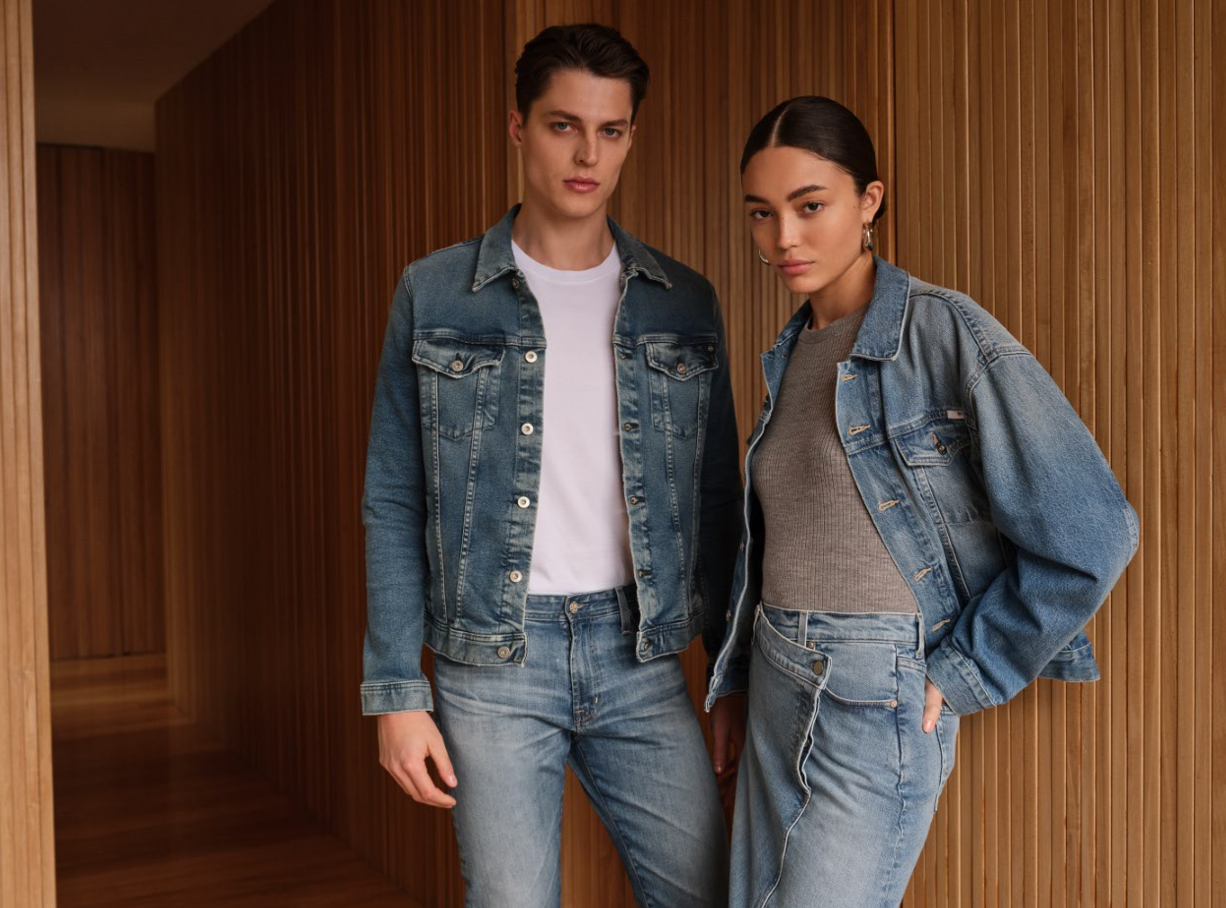
Every pair of AG jeans feels like a love letter to form and function. Their fits are precise but forgiving, their fabric luxuriously soft yet built to last. The washes, often sun-faded or pigment-rich, evoke the landscapes of the West Coast—sun, sand, concrete, and ocean. But it’s not just about beauty. Behind the seams lies one of the most technologically advanced denim operations in the world.
AG pioneered sustainable denim before it was trendy. Solar-powered factories, closed-loop water systems, ozone finishing, and eco-friendly dyes were quietly woven into their production process—not as marketing gimmicks, but as core principles. Their mission is simple: to craft jeans you’ll want to wear for years while leaving as little trace on the Earth as possible.
To wear AG is to embrace balance—the ease of California, the rigor of Italian design, and the conscience of a better tomorrow. It’s denim not just for your wardrobe, but for your values.
3sixteen – Denim Devotion in Every Thread
In the fast-turning carousel of fashion, 3sixteen stands still—by choice, by principle, and by love for the craft. Born in New York City in 2003, this brand isn’t for the casual wearer. It’s for those who see denim as a relationship, not a trend. From the very beginning, 3sixteen set out to create jeans that would not just age, but evolve, reflecting the character of the person who wears them.
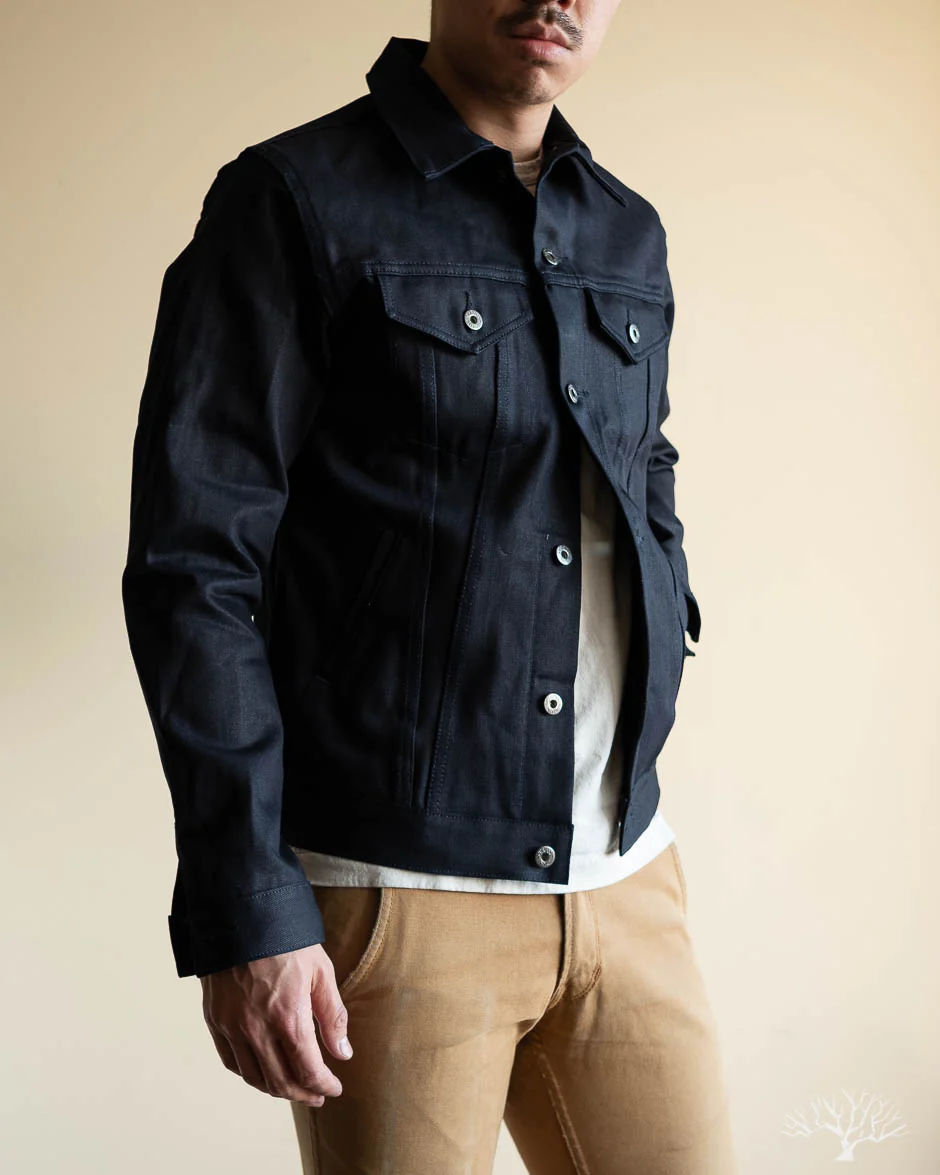
Their denim—sourced exclusively from Japan’s revered Kuroki Mills—is raw, unwashed, and unapologetically stiff on day one. It’s not designed for instant gratification. It’s built for the long haul, for those who take pride in the break-in process, who understand that every fade, crease, and whisker tells a personal story. Like a well-worn leather journal or a vintage guitar, a pair of 3sixteen jeans only gets better the more you live in them.
But it’s not just about fabric. It’s about philosophy. 3sixteen partners with American factories, prioritizes ethical production, and resists overextension. They don’t flood the market—they release only what feels right, when it’s ready. Their silhouettes are clean, their branding quiet, their attention to detail obsessive. Whether it’s the signature SL-100x or their Shadow Selvedge series, every piece feels like a modern heirloom.
Wearing 3sixteen isn’t about showing off—it’s about showing up. For yourself. For the craft. And for the story that unfolds, one step, one wear, one wash at a time.
These ten brands aren’t just selling jeans. They’re weaving culture, philosophy, and emotion into every stitch. Whether you want the raw purity of A.P.C., the electric pulse of Diesel, or the eco-minded soul of Nudie, the world’s best denim brands offer more than clothing—they offer identity. The best denim brands today aren’t defined by logos alone, but by legacies, ethics, and evolution.